




HPE FlexNetwork 10500 Switch Series: технические характеристики и документация
В архивеOverview
|
HPE FlexNetwork 10500 Switch Series | ||
|
| ||
|
Models | ||
|
HPE FlexNetwork 10504 Switch Chassis |
JC613A | |
|
HPE FlexNetwork 10508 Switch Chassis |
JC612A | |
|
HPE FlexNetwork 10508-V Switch Chassis |
JC611A | |
|
HPE FlexNetwork 10512 Switch Chassis |
JC748A | |
|
| ||
|
Product overview | ||
|
The HPE FlexNetwork 10500 Switch Series sets a new benchmark for performance, reliability, and scalability with next-generation Clos architecture. Designed for enterprise campus core networks, the 10500 Switch Series enables a cloud-connected and rich-media-capable infrastructure. The switch series provides 1/10/40 GbE port density, 3-microsecond latency, and very low energy consumption. | ||
|
|
| |
|
HPE FlexNetwork 10504 Switch Chassis |
HPE FlexNetwork 10512 Switch Chassis | |
|
|
| |
|
HPE FlexNetwork 10508 Switch Chassis |
HPE FlexNetwork 10508-V Switch Chassis | |
|
| ||
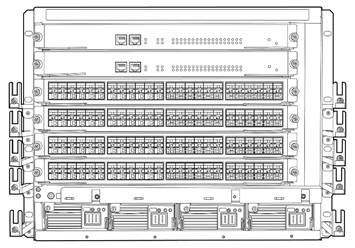
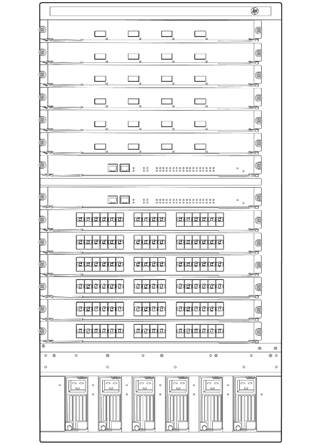
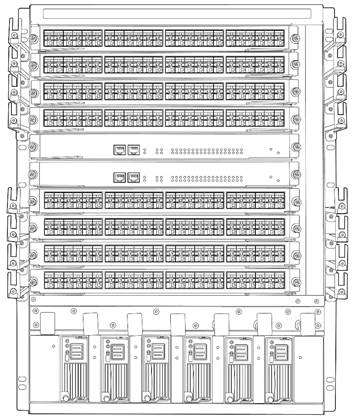
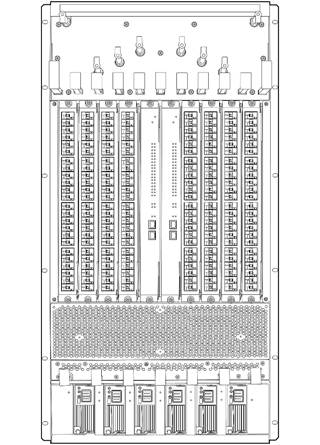
|
Key features |
|
|
|
|
Features and benefits |
|
Product architecture
Performance
Connectivity
Quality of Service (QoS)
Resiliency and high availability
Virtual private network (VPN)
Management
Layer 2 switching
Layer 3 services
Layer 3 routing
Security
Convergence
Integration
Software-defined networking
Additional information
Warranty and support
|
Configuration
|
Build To Order: BTO is a standalone unit with no integration. BTO products ship standalone are not part of a CTO or Rack-Shippable solution. | |||
|
|
|||
|
HPE FlexNetwork 10504 Switch Chassis |
JC613A | ||
|
|||
|
|
| ||
|
HPE FlexNetwork 10508 Switch Chassis |
JC612A | ||
|
|||
|
|
| ||
|
HPE FlexNetwork 10508-V Switch Chassis |
JC611A | ||
|
|||
|
|
| ||
|
HPE FlexNetwork 10512 Switch Chassis |
JC748A | ||
|
|||
|
Configuration Rules: |
|||
|
|
|
||
|
Remarks: |
|||
|
|
OCA Only Model Selection Form - HPE Offering > Aruba > Switches - FlexNetwork: 10500 Switch Series | ||
|
|
| ||
|
Modules |
||||||
|
|
| |||||
|
Management Modules |
||||||
|
|
||||||
|
System (standard 0 // maximum 2) User Selection (minimum 1 // maximum 2) per enclosure |
||||||
|
|
||||||
|
HP A10500 Main Processing Unit |
JC614A | |||||
|
|
See Configuration NOTE:1 | |||||
|
|
||||||
|
HPE FlexNetwork 10500 Type D with Comware v7 Operating System Main Processing Unit |
JH198A | |||||
|
|
See Configuration NOTE:1, 2, 3, 5 | |||||
|
|
| |||||
|
|
| |||||
|
Configuration Rules: |
||||||
|
|
||||||
|
Note 1 |
If 2 Management Module are selected, they must be the same Sku number. | |||||
|
|
|
| ||||
|
Note 2 |
Note in Watson: This MPU supports CWv7 only and may not have some features from CWv5. | |||||
|
|
|
|||||
|
Note 3 |
The following Interface Modules are Not Supported with this Management Module: | |||||
|
HPE FlexNetwork 7500 Load Balancing Module |
JD252A | |||||
|
|
|
| ||||
|
Note 5 |
This Management Module only supports Type B and D Fabric Modules. The following Fabric Modules are Not Supported with this Management Module: | |||||
|
HPE 10504 400Gbps Type A Fabric Module |
JC615A | |||||
|
|
|
| ||||
|
Remarks: |
For Switch 10504 (JC613A), these modules can only be inserted into Slots 0 and 1. For Switches 10508 (JC612A) and 10508-V (JC611A, JG822A), these modules can only be inserted into Slots 4 and 5. For Switch 10512 (JC748A), these modules can only be inserted into Slots 6 and 7. | |||||
|
Management module JH198A only carries BIN executable, not IPE, upon release. | ||||||
|
|
||||||
|
Fabric Modules |
||||||
|
|
||||||
|
System (std 0 // max 4) User Selection (min 4 // max 4) per enclosure |
||||||
|
|
||||||
|
HPE FlexNetwork 10504 880Gbps Type B Fabric Module |
JC751A | |||||
|
See Configuration NOTE:1, 4 | |||||
|
|
||||||
|
HPE FlexNetwork 10508/10508-V 1.04Tbps Type B Fabric Module |
JC753A | |||||
|
See Configuration NOTE:2, 4 | |||||
|
|
||||||
|
HPE FlexNetwork 10512 1.52Tbps Type B Fabric Module |
JC749A | |||||
|
See Configuration NOTE:3, 4 | |||||
|
|
||||||
|
HPE FlexNetwork 10512 3.44Tbps Type D Fabric Module |
JC750A | |||||
|
See Configuration NOTE:3, 4 | |||||
|
|
||||||
|
HPE FlexNetwork 10504 1.2Tbps Type D Fabric Module |
JC752A | |||||
|
See Configuration NOTE:1, 4 | |||||
|
|
||||||
|
HPE FlexNetwork 10508/10508-V 2.32Tbps Type D Fabric Module |
JC754A | |||||
|
See Configuration NOTE:2, 4 | |||||
|
|
||||||
|
Configuration Rules: |
||||||
|
|
||||||
|
Note 1 |
These Modules install to the following switches: (Use #0D1 if switch is CTO) - if applicable | |||||
|
|
HPE FlexNetwork 10504 Switch Chassis |
JC613A | ||||
|
|
|
|||||
|
Note 2 |
These Modules install to the following switches: (Use #0D1 if switch is CTO) - if applicable | |||||
|
|
HPE FlexNetwork 10508-V Switch Chassis |
JC611A | ||||
|
HPE FlexNetwork 10508 Switch Chassis |
JC612A | |||||
|
|
|
|||||
|
Note 3 |
These Modules install to the following switches: (Use #0D1 if switch is CTO) - if applicable | |||||
|
|
HPE FlexNetwork 10512 Switch Chassis |
JC748A | ||||
|
|
||||||
|
Note 4 |
If more than 1 Fabric Module is selected, they must be of the same Type. (TAA & Non TAA versions of the same module type can be mixed) | |||||
|
|
||||||
|
Interface Modules |
||||||
|
|
||||||
|
( 10504 Switch (JC613A) Only ) System (std 0 // max 4) User Selection (min 1 // max 4) per enclosure |
||||||
|
(10508 and 10508-V Switch (JC612A, JC611A, JG822A) Only ) System (std 0 // max 8) User Selection (min 1 // max 8) per enclosure | ||||||
|
(10512 Switch (JC748A) Only ) System (std 0 // max 12) User Selection (min 1 // max 12) per enclosure |
||||||
|
|
||||||
|
HPE FlexNetwork 10500 16-port 1/10GbE SFP+ SF Module |
JH193A | |||||
|
See Configuration NOTE:1, 13, 14 | |||||
|
|
||||||
|
HPE FlexNetwork 10500 44-port GbE SFP/4-port 10GbE SFP+ SE Module |
JH191A | |||||
|
See Configuration NOTE: 1, 2, 13, 14 | |||||
|
|
| |||||
|
HPE FlexNetwork 10500 24-port 1/10GBASE-T SF Module |
JG394A | |||||
|
| |||||
|
|
| |||||
|
HPE FlexNetwork 10500 48-port 1000BASE-T SE Module |
JH192A | |||||
|
See Configuration NOTE:13 | |||||
|
|
| |||||
|
HPE FlexNetwork 10500 32-port 10GbE SFP/SFP+/4-port 40GbE QSFP+ M2SG Module |
JH432A | |||||
|
See Configuration NOTE: 1, 5, 13, 14, 15 | |||||
|
|
| |||||
|
HPE FlexNetwork 10500 48-port 1/10GbE SFP+ SG Module |
JH197A | |||||
|
See Configuration NOTE:1, 13, 14 | |||||
|
|
||||||
|
HPE FlexNetwork 10500 48-port 10GbE SFP+ SF Module |
JC756A | |||||
|
See Configuration NOTE:1, 3 | |||||
|
|
||||||
|
HPE FlexNetwork 10500 48-port 10GbE SFP/SFP+ with MACsec M2SG Module |
JH433A | |||||
|
See Configuration NOTE: 1, 13, 14 | |||||
|
|
| |||||
|
HPE FlexNetwork 10500 12-port 40GbE QSFP28 M2SG Module |
JH434A | |||||
|
See Configuration NOTE: 5, 13, 15 | |||||
|
|
||||||
|
Configuration Rules: |
||||||
|
|
||||||
|
Note 1 |
The following Transceivers install into this Module: (Use #0D1 if switch is CTO) - if applicable | |||||
|
HPE X120 1G SFP LC LH100 Transceiver |
JD103A | |||||
|
HPE X125 1G SFP LC LH40 1310nm Transceiver |
JD061A | |||||
|
HPE X120 1G SFP LC LH40 1550nm Transceiver |
JD062A | |||||
|
HPE X120 1G SFP RJ45 T Transceiver |
JD089B | |||||
|
HPE X120 1G SFP LC SX Transceiver |
JD118B | |||||
|
HPE X120 1G SFP LC LX Transceiver |
JD119B | |||||
|
HPE X125 1G SFP LC LH70 Transceiver |
JD063B | |||||
|
HPE X120 1G SFP LC BX 10-U Transceiver |
JD098B | |||||
|
HPE X120 1G SFP LC BX 10-D Transceiver |
JD099B | |||||
|
|
|
|||||
|
Note 2 |
The following Transceivers install into this Module: (Use #0D1 if switch is CTO) - if applicable | |||||
|
HPE X115 100M SFP LC FX Transceiver |
JD102B | |||||
|
HPE X110 100M SFP LC LX Transceiver |
JD120B | |||||
|
HPE X115 100M SFP LC BX 10-U Transceiver |
JD100A | |||||
|
HPE X115 100M SFP LC BX 10-D Transceiver |
JD101A | |||||
|
|
||||||
|
Note 5 |
The following 40G Transceivers install into this Module: (Use #0D1 or #B01 if switch is CTO) - if applicable | |||||
|
|
HPE X140 40G QSFP+ LC LR4 SM 10km 1310nm Transceiver |
JG661A | ||||
|
HPE X140 40G QSFP+ MPO SR4 Transceiver |
JG325B | |||||
|
HPE X140 40G QSFP+ MPO MM 850nm CSR4 300m Transceiver |
JG709A | |||||
|
HPE X140 40G QSFP+ LC BiDi 100m MM Transceiver |
JL251A | |||||
|
HPE FlexNetwork X240 40G QSFP+ QSFP+ 1m Direct Attach Copper Cable |
JG326A | |||||
|
HPE FlexNetwork X240 40G QSFP+ QSFP+ 3m Direct Attach Copper Cable |
JG327A | |||||
|
HPE FlexNetwork X240 40G QSFP+ QSFP+ 5m Direct Attach Copper Cable |
JG328A | |||||
|
|
HPE FlexNetwork X240 40G QSFP+ to 4x10G SFP+ 1m Direct Attach Copper Splitter Cable |
JG329A | ||||
|
|
HPE FlexNetwork X240 40G QSFP+ to 4x10G SFP+ 3m Direct Attach Copper Splitter Cable |
JG330A | ||||
|
|
HPE FlexNetwork X240 40G QSFP+ to 4x10G SFP+ 5m Direct Attach Copper Splitter Cable |
JG331A | ||||
|
|
HPE X2A0 QSFP+ 7m AOC Cable |
JL287A | ||||
|
|
HPE X2A0 QSFP+ 10m AOC Cable |
JL288A | ||||
|
|
HPE X2A0 QSFP+ 20m AOC Cable |
JL289A | ||||
|
|
HPE X140 40G QSFP+ MPO SR4 Campus-Transceiver |
JH679A | ||||
|
|
HPE X140 40G QSFP+ MPO MM 850nm CSR4 300m Campus-Transceiver |
JH681A | ||||
|
|
HPE X140 40G QSFP+ LC LR4 SM 10km 1310nm Campus-Transceiver |
JH677A | ||||
|
|
HPE X140 40G QSFP+ LC BiDi 100m MM Campus-Transceiver |
JH678A | ||||
|
|
HPE X140 40G QSFP+ LC LR4L 2km SM Campus-Transceiver |
JH680A | ||||
|
|
HPE X240 40G QSFP+ to QSFP+ 1m Direct Attach Copper Campus-Cable |
JH697A | ||||
|
|
HPE X240 40G QSFP+ to QSFP+ 3m Direct Attach Copper Campus-Cable |
JH698A | ||||
|
|
HPE X240 40G QSFP+ to QSFP+ 5m Direct Attach Copper Campus-Cable |
JH699A | ||||
|
|
HPE X240 40G QSFP+ to 4x10G SFP+ 3m Direct Attach Copper Campus-Cable |
JH700A | ||||
|
|
HPE X140 40G QSFP+ LC ER4 40km SM Transceiver |
JL306A | ||||
|
|
| |||||
|
Note 13 |
These modules are Only Supported with Management Modules JH198A. They are Not Supported with Management Modules JC614A - HPE 10500 Main Processing Unit. | |||||
|
|
| |||||
|
Note 14 |
The following Transceivers install into this Module: (Use #0D1 or #B01 if switch is CTO) - if applicable | |||||
|
HPE X130 10G SFP+ LC SR Transceiver |
JD092B | |||||
|
HPE X130 10G SFP+ LC LR Transceiver |
JD094B | |||||
|
HPE FlexNetwork X240 10G SFP+ to SFP+ 1.2m Direct Attach Copper Cable |
JD096C | |||||
|
HPE FlexNetwork X240 10G SFP+ to SFP+ 3m Direct Attach Copper Cable |
JD097C | |||||
|
HPE FlexNetwork X240 10G SFP+ to SFP+ 5m Direct Attach Copper Cable |
JG081C | |||||
|
HPE FlexNetwork X240 10G SFP+ SFP+ 7m Direct Attach Copper Cable |
JC784C | |||||
|
HPE X130 10G SFP+ LC ER 40km Transceiver |
JG234A | |||||
|
HPE X130 10G SFP+ LC LH80 Tunable Transceiver |
JL250A | |||||
|
HPE X130 10G SFP+ LC LH 80km Transceiver |
JG915A | |||||
|
|
HPE X240 10G SFP+ to SFP+ 0.65m Direct Attach Copper Campus-Cable |
JH693A | ||||
|
|
HPE X240 10G SFP+ to SFP+ 1.2m Direct Attach Copper Campus-Cable |
JH694A | ||||
|
|
HPE X240 10G SFP+ to SFP+ 3m Direct Attach Copper Campus-Cable |
JH695A | ||||
|
|
HPE X240 10G SFP+ to SFP+ 7m Direct Attach Copper Campus-Cable |
JH696A | ||||
|
|
| |||||
|
Note 15 |
The following 40G Transceivers install into this Module and requires Comware V7, which are only for use with the MPUs JH198A : (Use #0D1 or #B01 if switch is CTO) | |||||
|
HPE X140 40G QSFP+ LC BiDi 100m MM Transceiver |
JL251A | |||||
|
|
HPE X140 40G QSFP+ LC BiDi 100m MM Campus-Transceiver |
JH678A | ||||
|
|
| |||||
|
Transceivers |
||||||
|
|
||||||
|
SFP Transceivers |
||||||
|
|
||||||
|
HPE X115 100M SFP LC FX Transceiver |
JD102B | |||||
|
HPE X110 100M SFP LC LX Transceiver |
JD120B | |||||
|
HPE X115 100M SFP LC BX 10-U Transceiver |
JD100A | |||||
|
HPE X115 100M SFP LC BX 10-D Transceiver |
JD101A | |||||
|
HPE X120 1G SFP RJ45 T Transceiver |
JD089B | |||||
|
HPE X120 1G SFP LC BX 10-U Transceiver |
JD098B | |||||
|
HPE X120 1G SFP LC BX 10-D Transceiver |
JD099B | |||||
|
HPE X120 1G SFP LC LH100 Transceiver |
JD103A | |||||
|
HPE X120 1G SFP LC LH40 1550nm Transceiver |
JD062A | |||||
|
HPE X120 1G SFP LC SX Transceiver |
JD118B | |||||
|
HPE X120 1G SFP LC LX Transceiver |
JD119B | |||||
|
HPE X125 1G SFP LC LH40 1310nm Transceiver |
JD061A | |||||
|
HPE X125 1G SFP LC LH70 Transceiver |
JD063B | |||||
|
|
||||||
|
SFP+ Transceivers |
||||||
|
|
||||||
|
HPE X130 10G SFP+ LC SR Transceiver |
JD092B | |||||
|
HPE X130 10G SFP+ LC LR Transceiver |
JD094B | |||||
|
HPE X130 10G SFP+ LC ER 40km Transceiver |
JG234A | |||||
|
HPE X130 10G SFP+ LC LH80 Tunable Transceiver |
JL250A | |||||
|
HPE X130 10G SFP+ LC LH 80km Transceiver |
JG915A | |||||
|
HPE FlexNetwork X240 10G SFP+ to SFP+ 1.2m Direct Attach Copper Cable |
JD096C | |||||
|
HPE FlexNetwork X240 10G SFP+ to SFP+ 3m Direct Attach Copper Cable |
JD097C | |||||
|
HPE FlexNetwork X240 10G SFP+ to SFP+ 5m Direct Attach Copper Cable |
JG081C | |||||
|
HPE FlexNetwork X240 10G SFP+ SFP+ 7m Direct Attach Copper Cable |
JC784C | |||||
|
HPE X240 10G SFP+ to SFP+ 0.65m Direct Attach Copper Campus-Cable |
JH693A | |||||
|
HPE X240 10G SFP+ to SFP+ 1.2m Direct Attach Copper Campus-Cable |
JH694A | |||||
|
HPE X240 10G SFP+ to SFP+ 3m Direct Attach Copper Campus-Cable |
JH695A | |||||
|
HPE X240 10G SFP+ to SFP+ 7m Direct Attach Copper Campus-Cable |
JH696A | |||||
|
|
||||||
|
QSFP+ Transceivers |
||||||
|
|
||||||
|
HPE X140 40G QSFP+ LC LR4 SM XCVR |
JG661A | |||||
|
HPE X240 40G QSFP+ QSFP+ 1m DAC Cable |
JG326A | |||||
|
HPE X240 40G QSFP+ QSFP+ 3m DAC Cable |
JG327A | |||||
|
HPE X240 40G QSFP+ QSFP+ 5m DAC Cable |
JG328A | |||||
|
HPE X240 QSFP+ 4x10G SFP+ 1m DAC Cable |
JG329A | |||||
|
HPE X240 QSFP+ 4x10G SFP+ 3m DAC Cable |
JG330A | |||||
|
HPE X240 QSFP+ 4x10G SFP+ 5m DAC Cable |
JG331A | |||||
|
HPE X2A0 QSFP+ 7m AOC Cable |
JL287A | |||||
|
HPE X2A0 QSFP+ 10m AOC Cable |
JL288A | |||||
|
HPE X2A0 QSFP+ 20m AOC Cable |
JL289A | |||||
|
HPE X140 40G QSFP+ MPO SR4 XCVR |
JG325B | |||||
|
HPE X140 40G QSFP+ CSR4 300m XCVR |
JG709A | |||||
|
HPE X140 40G QSFP+ LC BiDi 100m MM XCVR |
JL251A | |||||
|
HPE X140 40G QSFP+ MPO SR4 C-TRX |
JH679A | |||||
|
HPE X140 40G QSFP+ LC LR4L 2km SM C-TRX |
JH680A | |||||
|
HPE X140 40G QSFP+ CSR4 300m C-TRX |
JH681A | |||||
|
HPE X140 40G QSFP+ LC LR4 SM C-TRX |
JH677A | |||||
|
HPE X240 40G QSFP+ QSFP+ 1m DAC C-Cable |
JH697A | |||||
|
HPE X240 40G QSFP+ QSFP+ 3m DAC C-Cable |
JH698A | |||||
|
HPE X240 40G QSFP+ QSFP+ 5m DAC C-Cable |
JH699A | |||||
|
HPE X240 QSFP+ 4x10G SFP+ 3m DAC C-Cable |
JH700A | |||||
|
HPE X140 40G QSFP+ LC BiDi 100m MM C-TRX |
JH678A | |||||
|
HPE X140 40G QSFP+ LC ER4 40km SM Transceiver |
JL306A | |||||
|
|
||||||
|
Internal Power Supplies |
| |||||
|
|
| |||||
|
(Switch 10504, JC613A) System (std 0 // max 4) User Selection (min 1 // max 4) per switch enclosure | ||||||
|
| ||||||
|
10504 provides 3+1 Redundancy. Select an appropriate number of power supplies based on the maximum output power of your system and redundancy requirements. For component power consumption consult the install guide | ||||||
|
| ||||||
|
(Switch 10508 (JC612A), 10508-V (JC611A, JG822A) and 10512 (JC748A)) System (std 0 // max 6) User Selection (min 1 // max 6) per switch enclosure | ||||||
|
| ||||||
|
10508, 10508-V and 10512 provides 5+1 Redundancy. Select an appropriate number of power supplies based on the maximum output power of your system and redundancy requirements. For component power consumption consult the install guide. | ||||||
|
| ||||||
|
HPE FlexNetwork 10500 2500W AC Power Supply |
JC610A | |||||
|
See Configuration NOTE: 1, 2, 3 | |||||
|
|
||||||
|
PDU Cable NA/MEX/TW/JP |
JC610A#B2B | |||||
|
||||||
|
|
||||||
|
PDU Cable ROW |
JC610A#B2C | |||||
|
||||||
|
|
||||||
|
High Volt Switch to Wall Power Cord |
JC610A#B2E | |||||
|
||||||
|
|
||||||
|
Configuration Rules: |
| |||||
|
|
| |||||
|
Note 1 |
If more than 1 power supply is selected they, must all be the same Sku number. | |||||
|
|
|
| ||||
|
Note 2 |
Localization required on orders without #B2B, #B2C or #B2E options. | |||||
|
|
|
| ||||
|
Note 3 |
#B2E is Offered only in NA, Mexico, Taiwan and Japan. | |||||
|
|
|
| ||||
|
Remarks: |
Drop down under power supply should offer the following options and results: Switch/Router/Power Supply to PDU Power Cord - #B2B in North America, Mexico, Taiwan, and Japan or #B2C ROW. (Watson Default B2B or B2C for Rack Level CTO) Switch/Router/Power Supply to Wall Power Cord - Localized Option (Watson Default for BTO and Box Level CTO) High Volt Switch/Router/Power Supply to Wall Power Cord - #B2E Option. (Offered only in North America, Mexico, Taiwan, and Japan) | |||||
|
|
| |||||
|
Switch Enclosure Options |
||||||
|
|
||||||
|
Mounting Kit |
||||||
|
|
||||||
|
HPE X421 Chassis Universal 4-post Rackmount Kit |
JC665A | |||||
|
|
See Configuration NOTE:1 | |||||
|
|
||||||
|
Configuration Rules: |
||||||
|
|
||||||
|
Note 1 |
If any 10500 switch is installed into a rack, then this Rack Mounting kit is required. |
|||||
|
|
| |||||
|
Remarks: |
Default a quantity of 1 when Switch is selected | |||||
|
|
| |||||
|
Fan |
||||||
|
|
| |||||
|
HPE FlexNetwork 10504 Spare Fan Assembly |
JC632A | |||||
|
HPE FlexNetwork 10508 Spare Fan Assembly |
JC633A | |||||
|
HPE FlexNetwork 10508-V Spare Fan Assembly |
JC634A | |||||
|
HPE FlexNetwork 10512 Spare Top Fan Tray Assembly |
JC758A | |||||
|
HPE FlexNetwork 10512 Spare Bottom Fan Tray Assembly |
JC773A | |||||
|
|
| |||||
|
|
| |||||
|
|
||||||
Technical Specifications
|
HPE FlexNetwork 10504 Switch Chassis (JC613A) | ||
|
I/O ports and slots |
4 I/O module slots | |
|
Additional ports and slots |
2 MPU (for management modules) slots | |
|
Power supplies |
4 power supply slots | |
|
Fan tray |
includes: 1 x JC632A | |
|
Physical characteristics |
Dimensions |
17.32(w) x 25.98(d) x 13.9(h) in (43.99 x 65.99 x 35.31 cm) (8U height) |
|
Weight |
85.32 lb (38.7 kg) | |
|
Full configuration weight |
183.14 lb (83.07 kg) | |
|
Memory and processor |
Dual Core MIPS @ 1.2 GHz, 512 MB flash, 8 GB DDR2 SDRAM | |
|
Mounting and enclosure |
Mounts in an EIA standard 19-inch rack or other equipment cabinet (hardware included); Horizontal surface mounting only | |
|
Reliability |
Availability |
99.999% |
|
Environment |
Operating temperature |
32°F to 113°F (0°C to 45°C) |
|
Operating relative humidity |
10% to 95%, noncondensing | |
|
Nonoperating/Storage temperature |
-40°F to 158°F (-40°C to 70°C) | |
|
Nonoperating/Storage relative humidity |
5% to 95%, noncondensing | |
|
Altitude |
up to 13,123 ft (4 km) | |
|
Acoustic |
Low-speed fan: 62.3 dB, High-speed fan: 75.5 dB | |
|
Electrical characteristics |
Frequency |
50/60 Hz |
|
Voltage |
100 - 120 / 200 - 240 VAC, rated -48 to -60 VDC, rated (depending on power supply chosen) | |
|
Current |
16/60 A | |
|
Power output |
2500 W | |
|
|
Notes |
Based on common power supply 2,500 W (AC) |
|
Safety |
CAN/CSA 22.2 No. 60950-1; FCC Part 15, Subpart B; FDA 21 CFR Subchapter J; ROHS Compliance; IEC 60950-1 :Second Edition ; EN 60950-1:2006 + A11:2009; AS/NZS 60950-1; IEC 60825-1; UL 60950-1, 2nd Edition; EN60825-2:2004+A1:2007 | |
|
Emissions |
VCCI Class A; EN 55022 Class A; CISPR 22 Class A; IEC/EN 61000-3-2; IEC/EN 61000-3-3; ICES-003 Class A; AS/NZS CISPR22 Class A; FCC (CFR 47, Part 15) Class A; GB9254 | |
|
Immunity |
Generic |
Directive 2004/108/EC |
|
EN |
EN 55024:1998+ A1:2001 + A2:2003; ETSI EN 300 386 V1.3.3 | |
|
ESD |
EN 61000-4-2 | |
|
Radiated |
EN 61000-4-3 | |
|
EFT/Burst |
EN 61000-4-4 | |
|
Surge |
EN 61000-4-5 | |
|
Conducted |
EN 61000-4-6 | |
|
Power frequency magnetic field |
IEC 61000-4-8 | |
|
Voltage dips and interruptions |
EN 61000-4-11 | |
|
Harmonics |
EN 61000-3-2, IEC 61000-3-2 | |
|
Flicker |
EN 61000-3-3, IEC 61000-3-3 | |
|
Management |
IMC - Intelligent Management Center; command-line interface; out-of-band management (serial RS-232C); SNMP Manager; Telnet; terminal interface (serial RS-232C); modem interface; IEEE 802.3 Ethernet MIB; Ethernet Interface MIB | |
|
Notes |
RFCs supported only in Comware v7: | |
|
Services |
Refer to the Hewlett Packard Enterprise website at: http://www.hpe.com/networking/services for details on the service-level descriptions and product numbers. For details about services and response times in your area, please contact your local Hewlett Packard Enterprise sales office. | |
|
| ||
|
HPE FlexNetwork 10508 Switch Chassis (JC612A) | ||
|
I/O ports and slots |
8 I/O module slots | |
|
Additional ports and slots |
2 MPU (for management modules) slots | |
|
Power supplies |
6 power supply slots | |
|
Fan tray |
includes: 1 x JC633A | |
|
Physical characteristics |
Dimensions |
17.32(w) x 25.98(d) x 24.41(h) in (43.99 x 65.99 x 62 cm) (14U height) |
|
Weight |
125 lb (56.7 kg) | |
|
Full configuration weight |
285.34 lb (129.43 kg) | |
|
Memory and processor |
Dual Core MIPS @ 1.2 GHz, 512 MB flash, 8 GB DDR2 SDRAM | |
|
Mounting and enclosure |
Mounts in an EIA standard 19-inch rack or other equipment cabinet (hardware included); Horizontal surface mounting only | |
|
Reliability |
Availability |
99.999% |
|
Environment |
Operating temperature |
32°F to 113°F (0°C to 45°C) |
|
Operating relative humidity |
10% to 95%, noncondensing | |
|
Nonoperating/Storage temperature |
-40°F to 158°F (-40°C to 70°C) | |
|
Nonoperating/Storage relative humidity |
5% to 95%, noncondensing | |
|
Altitude |
up to 13,123 ft (4 km) | |
|
Acoustic |
Low-speed fan: 63 dB, High-speed fan: 75.8 dB | |
|
Electrical characteristics |
Frequency |
50/60 Hz |
|
Voltage |
100 - 120 / 200 - 240 VAC, rated -48 to -60 VDC, rated (depending on power supply chosen) | |
|
Current |
16/60 A | |
|
Power output |
2500 W | |
|
Notes |
Based on common power supply 2,500 W (AC) | |
|
Safety |
CAN/CSA 22.2 No. 60950-1; FCC Part 15, Subpart B; FDA 21 CFR Subchapter J; ROHS Compliance; IEC 60950-1 :Second Edition ; EN 60950-1:2006 + A11:2009; AS/NZS 60950-1; IEC 60825-1; UL 60950-1, 2nd Edition; EN60825-2:2004+A1:2007 | |
|
Emissions |
VCCI Class A; EN 55022 Class A; CISPR 22 Class A; IEC/EN 61000-3-2; IEC/EN 61000-3-3; ICES-003 Class A; AS/NZS CISPR22 Class A; FCC (CFR 47, Part 15) Class A; GB9254 | |
|
Immunity |
Generic |
Directive 2004/108/EC |
|
EN |
EN 55024:1998+ A1:2001 + A2:2003; ETSI EN 300 386 V1.3.3 | |
|
ESD |
EN 61000-4-2 | |
|
Radiated |
EN 61000-4-3 | |
|
EFT/Burst |
EN 61000-4-4 | |
|
Surge |
EN 61000-4-5 | |
|
Conducted |
EN 61000-4-6 | |
|
Power frequency magnetic field |
IEC 61000-4-8 | |
|
Voltage dips and interruptions |
EN 61000-4-11 | |
|
Harmonics |
EN 61000-3-2, IEC 61000-3-2 | |
|
Flicker |
EN 61000-3-3, IEC 61000-3-3 | |
|
Management |
IMC - Intelligent Management Center; command-line interface; out-of-band management (serial RS-232C); SNMP Manager; Telnet; terminal interface (serial RS-232C); modem interface; IEEE 802.3 Ethernet MIB; Ethernet Interface MIB | |
|
Notes |
RFCs supported only in Comware v7: | |
|
Services |
Refer to the Hewlett Packard Enterprise website at: http://www.hpe.com/networking/services for details on the service-level descriptions and product numbers. For details about services and response times in your area, please contact your local Hewlett Packard Enterprise sales office. | |
|
| ||
|
HPE FlexNetwork 10508-V Switch Chassis (JC611A) | ||
|
I/O ports and slots |
8 I/O module slots | |
|
Additional ports and slots |
2 MPU (for management modules) slots | |
|
Power supplies |
6 power supply slots | |
|
Fan tray |
includes: 1 x JC634A | |
|
Physical characteristics |
Dimensions |
17.32(w) x 25.98(d) x 34.88(h) in (43.99 x 65.99 x 88.6 cm) (20U height) |
|
Weight |
169.53 lb (76.9 kg) | |
|
Full configuration weight |
331.31 lb (150.28 kg) | |
|
Memory and processor |
Dual Core MIPS @ 1.2 GHz, 512 MB flash, 8 GB DDR2 SDRAM | |
|
Mounting and enclosure |
Mounts in an EIA standard 19-inch rack or other equipment cabinet (hardware included); Horizontal surface mounting only | |
|
Reliability |
Availability |
99.999% |
|
Environment |
Operating temperature |
32°F to 113°F (0°C to 45°C) |
|
Operating relative humidity |
10% to 95%, noncondensing | |
|
Nonoperating/Storage temperature |
-40°F to 158°F (-40°C to 70°C) | |
|
Nonoperating/Storage relative humidity |
5% to 95%, noncondensing | |
|
Altitude |
up to 13,123 ft (4 km) | |
|
Acoustic |
Low-speed fan: 61.6 dB, High-speed fan: 72.6 dB | |
|
Electrical characteristics |
Frequency |
50/60 Hz |
|
Voltage |
100 - 120 / 200 - 240 VAC, rated -48 to -60 VDC, rated (depending on power supply chosen) | |
|
Current |
16/60 A | |
|
Power output |
2500 W | |
|
|
Notes |
Based on common power supply 2,500 W (AC) |
|
Safety |
CAN/CSA 22.2 No. 60950-1; FCC Part 15, Subpart B; FDA 21 CFR Subchapter J; ROHS Compliance; IEC 60950-1 :Second Edition ; EN 60950-1:2006 + A11:2009; AS/NZS 60950-1; IEC 60825-1; UL 60950-1, 2nd Edition; EN60825-2:2004+A1:2007 | |
|
Emissions |
VCCI Class A; EN 55022 Class A; CISPR 22 Class A; IEC/EN 61000-3-2; IEC/EN 61000-3-3; ICES-003 Class A; AS/NZS CISPR22 Class A; FCC (CFR 47, Part 15) Class A; GB9254 | |
|
Immunity |
Generic |
Directive 2004/108/EC |
|
EN |
EN 55024:1998+ A1:2001 + A2:2003; ETSI EN 300 386 V1.3.3 | |
|
ESD |
EN 61000-4-2 | |
|
Radiated |
EN 61000-4-3 | |
|
EFT/Burst |
EN 61000-4-4 | |
|
Surge |
EN 61000-4-5 | |
|
Conducted |
EN 61000-4-6 | |
|
Power frequency magnetic field |
IEC 61000-4-8 | |
|
Voltage dips and interruptions |
EN 61000-4-11 | |
|
Harmonics |
EN 61000-3-2, IEC 61000-3-2 | |
|
Flicker |
EN 61000-3-3, IEC 61000-3-3 | |
|
Management |
IMC - Intelligent Management Center; command-line interface; out-of-band management (serial RS-232C); SNMP Manager; Telnet; terminal interface (serial RS-232C); modem interface; IEEE 802.3 Ethernet MIB; Ethernet Interface MIB | |
|
Notes |
RFCs supported only in Comware v7: | |
|
Services |
Refer to the Hewlett Packard Enterprise website at: http://www.hpe.com/networking/services for details on the service-level descriptions and product numbers. For details about services and response times in your area, please contact your local Hewlett Packard Enterprise sales office. | |
|
| ||
|
HPE FlexNetwork 10512 Switch Chassis (JC748A) | ||
|
I/O ports and slots |
12 I/O module slots | |
|
Additional ports and slots |
2 MPU (for management modules) slots | |
|
Power supplies |
6 power supply slots | |
|
Fan tray |
includes: 1 x JC758A, JC773A | |
|
Physical characteristics |
Dimensions |
17.32(w) x 25.98(d) x 31.38(h) in (44.0 x 66.0 x 79.7 cm) (18U height) |
|
Weight |
166.23 lb (75.4 kg) | |
|
Full configuration weight |
380.95 lb (172.8 kg) | |
|
Memory and processor |
Dual Core MIPS @ 1.2 GHz, 512 MB flash, 8 GB DDR2 SDRAM | |
|
Mounting and enclosure |
Mounts in an EIA standard 19-inch rack or other equipment cabinet (hardware included); Horizontal surface mounting only | |
|
Reliability |
Availability |
99.999% |
|
Environment |
Operating temperature |
32°F to 113°F (0°C to 45°C) |
|
Operating relative humidity |
10% to 95%, noncondensing | |
|
Nonoperating/Storage temperature |
-40°F to 158°F (-40°C to 70°C) | |
|
Nonoperating/Storage relative humidity |
5% to 95%, noncondensing | |
|
Altitude |
up to 13,123 ft (4 km) | |
|
Acoustic |
Low-speed fan: 66 dB, High-speed fan: 79 dB | |
|
Electrical characteristics |
Frequency |
50/60 Hz |
|
Voltage |
100 - 120 / 200 - 240 VAC, rated -48 to -60 VDC, rated (depending on power supply chosen) | |
|
Current |
16/60 A | |
|
Power output |
2500 W | |
|
|
Notes |
Based on common power supply 2,500 W (AC) |
|
Safety |
CAN/CSA 22.2 No. 60950-1; FCC Part 15, Subpart B; FDA 21 CFR Subchapter J; ROHS Compliance; IEC 60950-1 :Second Edition ; EN 60950-1:2006 + A11:2009; AS/NZS 60950-1; IEC 60825-1; UL 60950-1, 2nd Edition; EN60825-2:2004+A1:2007 | |
|
Emissions |
VCCI Class A; EN 55022 Class A; CISPR 22 Class A; IEC/EN 61000-3-2; IEC/EN 61000-3-3; ICES-003 Class A; AS/NZS CISPR22 Class A; FCC (CFR 47, Part 15) Class A; GB9254 | |
|
Immunity |
Generic |
Directive 2004/108/EC |
|
EN |
EN 55024:1998+ A1:2001 + A2:2003; ETSI EN 300 386 V1.3.3 | |
|
ESD |
EN 61000-4-2 | |
|
Radiated |
EN 61000-4-3 | |
|
EFT/Burst |
EN 61000-4-4 | |
|
Surge |
EN 61000-4-5 | |
|
Conducted |
EN 61000-4-6 | |
|
Power frequency magnetic field |
IEC 61000-4-8 | |
|
Voltage dips and interruptions |
EN 61000-4-11 | |
|
Harmonics |
EN 61000-3-2, IEC 61000-3-2 | |
|
Flicker |
EN 61000-3-3, IEC 61000-3-3 | |
|
Management |
IMC - Intelligent Management Center; command-line interface; out-of-band management (serial RS-232C); SNMP Manager; Telnet; terminal interface (serial RS-232C); modem interface; IEEE 802.3 Ethernet MIB; Ethernet Interface MIB | |
|
Notes |
RFCs supported only in Comware v7: | |
|
Services |
Refer to the Hewlett Packard Enterprise website at: http://www.hpe.com/networking/services for details on the service-level descriptions and product numbers. For details about services and response times in your area, please contact your local Hewlett Packard Enterprise sales office. | |
|
Standards and protocols |
BGP |
RFC 2464 Transmission of IPv6 over Ethernet RFC 1155 Structure of Management Information RFC 1157 SNMPv1 RFC 1448 Protocol Operations for version 2 of the Simple Network Management Protocol (SNMPv2) RFC 2211 Controlled-Load Network RFC 2819 Four groups of RMON: 1 (statistics), 2 (history), 3 (alarm) and 9 (events) RFC 3176 sFlow RFC 3411 SNMP Management Frameworks RFC 3412 SNMPv3 Message Processing RFC 3414 SNMPv3 User-based Security Model (USM) RFC 3415 SNMPv3 View-based Access Control Model VACM) ANSI/TIA-1057 LLDP Media Endpoint Discovery (LLDP-MED) RFC 1349 Type of Service in the Internet Protocol Suite RFC 2211 Specification of the Controlled-Load Network Element Service RFC 2212 Guaranteed Quality of Service RFC 2474 DSCP DiffServ RFC 2475 DiffServ Architecture RFC 2597 DiffServ Assured Forwarding (AF) RFC 2598 DiffServ Expedited Forwarding (EF) RFC 1321 The MD5 Message-Digest Algorithm RFC 1334 PPP Authentication Protocols (PAP) RFC 1492 TACACS+ RFC 1994 PPP Challenge Handshake Authentication Protocol (CHAP) RFC 2082 RIP-2 MD5 Authentication RFC 2104 Keyed-Hashing for Message Authentication RFC 2408 Internet Security Association and Key Management Protocol (ISAKMP) RFC 2409 The Internet Key Exchange (IKE) RFC 2716 PPP EAP TLS Authentication Protocol RFC 2865 RADIUS Authentication RFC 2866 RADIUS Accounting RFC 2868 RADIUS Attributes for Tunnel Protocol Support RFC 2869 RADIUS Extensions Access Control Lists (ACLs) Guest VLAN for 802.1X MAC Authentication Port Security SSHv1/SSHv2 Secure Shell |
Accessories
|
HPE FlexNetwork 10500 Switch Series accessories |
|
|
|
|
|
Modules |
|
|
HPE FlexNetwork 10500 24-port 1/10GBASE-T SF Module |
JG394A |
|
HPE FlexNetwork 10500 48-port 1000BASE-T SE Module |
JH192A |
|
HPE FlexNetwork 10500 16-port 1/10GbE SFP+ SF Module |
JH193A |
|
HPE FlexNetwork 10500 48-port 1/10GbE SFP+ SG Module |
JH197A |
|
HPE FlexNetwork 10500 Type D with Comware v7 Operating System Main Processing Unit |
JH198A |
|
HPE FlexNetwork 10500 44-port GbE SFP/4-port 10GbE SFP+ SE Module |
JH191A |
|
HPE FlexNetwork 10500 32-port 10GbE SFP/SFP+/4-port 40GbE QSFP+ M2SG Module |
JH432A |
|
HPE FlexNetwork 10500 48-port 10GbE SFP/SFP+ with MACsec M2SG Module |
JH433A |
|
HPE FlexNetwork 10500 12-port 40GbE QSFP28 M2SG Module |
JH434A |
|
|
|
|
Transceivers |
|
|
HPE X115 100M SFP LC FX Transceiver |
JD102B |
|
HPE X110 100M SFP LC LX Transceiver |
JD120B |
|
HPE X110 100M SFP LC LH40 Transceiver |
JD090A |
|
HPE X110 100M SFP LC LH80 Transceiver |
JD091A |
|
HPE X115 100M SFP LC BX 10-U Transceiver |
JD100A |
|
HPE X115 100M SFP LC BX 10-D Transceiver |
JD101A |
|
HPE X120 1G SFP RJ45 T Transceiver |
JD089B |
|
HPE X120 1G SFP LC SX Transceiver |
JD118B |
|
HPE X120 1G SFP LC LX Transceiver |
JD119B |
|
HPE X125 1G SFP LC LH70 Transceiver |
JD063B |
|
HPE X120 1G SFP LC LH100 Transceiver |
JD103A |
|
HPE X120 1G SFP LC BX 10-D Transceiver |
JD099B |
|
HPE X120 1G SFP LC BX 10-U Transceiver |
JD098B |
|
HPE X170 1G SFP LC LH70 1510 Transceiver |
JD115A |
|
HPE X170 1G SFP LC LH70 1550 Transceiver |
JD109A |
|
HPE X170 1G SFP LC LH70 1570 Transceiver |
JD110A |
|
HPE X170 1G SFP LC LH70 1590 Transceiver |
JD111A |
|
HPE X170 1G SFP LC LH70 1610 Transceiver |
JD112A |
|
HPE X130 10G SFP+ LC SR Transceiver |
JD092B |
|
HPE X130 10G SFP+ LC LRM Transceiver |
JD093B |
|
HPE X130 10G SFP+ LC LR Transceiver |
JD094B |
|
HPE X130 10G SFP+ LC ER 40km Transceiver |
JG234A |
|
HPE X130 10G SFP+ LC LH80 Tunable Transceiver |
JL250A |
|
HPE X130 10G SFP+ LC LH 80km Transceiver |
JG915A |
|
HPE FlexNetwork X240 10G SFP+ to SFP+ 1.2m Direct Attach Copper Cable |
JD096C |
|
HPE FlexNetwork X240 10G SFP+ to SFP+ 3m Direct Attach Copper Cable |
JD097C |
|
HPE FlexNetwork X240 10G SFP+ to SFP+ 5m Direct Attach Copper Cable |
JG081C |
|
HPE FlexNetwork X240 10G SFP+ SFP+ 7m Direct Attach Copper Cable |
JC784C |
|
HPE X180 10G XFP LC LH 80km 1538.98nm DWDM Transceiver |
JG226A |
|
HPE X180 10G XFP LC LH 80km 1539.77nm DWDM Transceiver |
JG227A |
|
HPE X180 10G XFP LC LH 80km 1542.94nm DWDM Transceiver |
JG230A |
|
HPE X140 40G QSFP+ LC LR4 SM 10km 1310nm Transceiver |
JG661A |
|
HPE FlexNetwork X240 40G QSFP+ QSFP+ 1m Direct Attach Copper Cable |
JG326A |
|
HPE FlexNetwork X240 40G QSFP+ QSFP+ 3m Direct Attach Copper Cable |
JG327A |
|
HPE FlexNetwork X240 40G QSFP+ QSFP+ 5m Direct Attach Copper Cable |
JG328A |
|
HPE FlexNetwork X240 40G QSFP+ to 4x10G SFP+ 1m Direct Attach Copper Splitter Cable |
JG329A |
|
HPE FlexNetwork X240 40G QSFP+ to 4x10G SFP+ 3m Direct Attach Copper Splitter Cable |
JG330A |
|
HPE FlexNetwork X240 40G QSFP+ to 4x10G SFP+ 5m Direct Attach Copper Splitter Cable |
JG331A |
|
HPE X2A0 40G QSFP+ to QSFP+ 7m Active Optical Cable |
JL287A |
|
HPE X2A0 40G QSFP+ to QSFP+ 10m Active Optical Cable |
JL288A |
|
HPE X2A0 40G QSFP+ to QSFP+ 20m Active Optical Cable |
JL289A |
|
HPE X140 40G QSFP+ MPO SR4 Transceiver |
JG325B |
|
HPE X140 40G QSFP+ MPO MM 850nm CSR4 300m Transceiver |
JG709A |
|
HPE X140 40G QSFP+ LC BiDi 100m MM Transceiver |
JL251A |
|
HPE X140 40G QSFP+ LC ER4 40km SM Transceiver |
JL306A |
|
|
|
|
Power Supply |
|
|
HPE FlexNetwork 10500 2500W AC Power Supply |
JC610A |
|
HPE FlexNetwork 10500 2400W DC Power Supply |
JC747A |
|
|
|
|
Mounting Kit |
|
|
HPE X421 Chassis Universal 4-post Rackmount Kit |
JC665A |
|
|
|
|
HPE FlexNetwork 10504 Switch Chassis (JC613A) |
|
|
HPE FlexNetwork 10504 880Gbps Type B Fabric Module |
JC751A |
|
HPE FlexNetwork 10504 1.2Tbps Type D Fabric Module |
JC752A |
|
HPE FlexNetwork 10504 Spare Fan Assembly |
JC632A |
|
|
|
|
HPE FlexNetwork 10508 Switch Chassis (JC612A) |
|
|
HPE FlexNetwork 10508/10508-V 1.04Tbps Type B Fabric Module |
JC753A |
|
HPE FlexNetwork 10508/10508-V 2.32Tbps Type D Fabric Module |
JC754A |
|
HPE FlexNetwork 10508 Spare Fan Assembly |
JC633A |
|
|
|
|
HPE FlexNetwork 10508-V Switch Chassis (JC611A) |
|
|
HPE FlexNetwork 10508/10508-V 1.04Tbps Type B Fabric Module |
JC753A |
|
HPE FlexNetwork 10508/10508-V 2.32Tbps Type D Fabric Module |
JC754A |
|
HPE FlexNetwork 10508-V Spare Fan Assembly |
JC634A |
|
|
|
|
HPE FlexNetwork 10512 Switch Chassis (JC748A) |
|
|
HPE FlexNetwork 10512 1.52Tbps Type B Fabric Module |
JC749A |
|
HPE FlexNetwork 10512 3.44Tbps Type D Fabric Module |
JC750A |
|
HPE FlexNetwork 10512 Spare Top Fan Tray Assembly |
JC758A |
|
HPE FlexNetwork 10512 Spare Bottom Fan Tray Assembly |
JC773A |
Accessory Product Details
|
NOTE: Details are not available for all accessories. The following specifications were available at the time of publication. |
|
|
|
Transceivers |
|
HPE X125 1G SFP LC LH70 Transceiver (JD063B) A small form-factor pluggable (SFP) Gigabit LH70 transceiver that provides a full-duplex Gigabit solution up to 70km on a single-mode fiber. |
Ports |
1 LC 1000BASE-LH port (no IEEE standard exists for 1550 nm optics) | |
|
Connectivity |
Connector type |
LC | |
|
Wavelength |
1550 nm | ||
|
Physical characteristics |
Dimensions |
2.17(d) x 0.6(w) x 0.46(h) in. (5.51 x 1.52 x 1.17 cm) | |
|
Full configuration weight |
0.04 lb. (0.02 kg) | ||
|
Electrical characteristics |
Power consumption typical |
0.8 W | |
|
Power consumption maximum |
1.0 W | ||
|
Cabling |
Cable type: Maximum distance: | ||
|
|
Fiber type |
Single Mode | |
|
Services |
Refer to the Hewlett Packard Enterprise website at http://www.hpe.com/networking/services for details on the service-level descriptions and product numbers. For details about services and response times in your area, please contact your local Hewlett Packard Enterprise sales office. | ||
|
| |||
|
HPE X120 1G SFP RJ45 T Transceiver (JD089B) A small form factor pluggable (SFP) Gigabit 1000Base-T transceiver that provides a full duplex Gigabit solution up to 100m on a Cat-5+ cable. |
Ports |
1 RJ-45 1000BASE-T port (IEEE 802.3ab Type 1000BASE-T) | |
|
Connectivity |
Connector type |
RJ-45 | |
|
Physical characteristics |
Dimensions |
2.71(d) x 0.54(w) x 0.55(h) in. (6.88 x 1.37 x 1.4 cm) | |
|
Full configuration weight |
0.07 lb. (0.03 kg) | ||
|
Electrical characteristics |
Power consumption typical |
0.8 W | |
|
Power consumption maximum |
1.0 W | ||
|
Cabling |
Cable type: Maximum distance: | ||
|
Services |
Refer to the Hewlett Packard Enterprise website at http://www.hpe.com/networking/services for details on the service-level descriptions and product numbers. For details about services and response times in your area, please contact your local Hewlett Packard Enterprise sales office. | ||
|
| |||
|
HPE X120 1G SFP LC BX 10-U Transceiver (JD098B) A small form-factor pluggable (SFP) Gigabit LX-BX10-U transceiver that provides a full duplex Gigabit solution up to 10km on a single mode cable. |
Ports |
1 LC 1000BASE-BX10 port (IEEE 802.3ah Type 1000BASE-BX10-U); Duplex: full only | |
|
Connectivity |
Connector type |
LC | |
|
Physical characteristics |
Dimensions |
2.17(d) x 0.6(w) x 0.46(h) in. (5.51 x 1.52 x 1.17 cm) | |
|
Full configuration weight |
0.04 lb. (0.02 kg) | ||
|
Electrical characteristics |
Power consumption typical |
0.8 W | |
|
Power consumption maximum |
1.0 W | ||
|
Cabling |
Maximum distance: | ||
|
Fiber type |
Single Mode | ||
|
Notes |
TX 1310nm RX 1490nm | ||
|
Services |
Refer to the Hewlett Packard Enterprise website at http://www.hpe.com/networking/services for details on the service-level descriptions and product numbers. For details about services and response times in your area, please contact your local Hewlett Packard Enterprise sales office. | ||
|
| |||
|
HPE X120 1G SFP LC BX 10-D Transceiver (JD099B) A small form-factor pluggable (SFP) Gigabit LX-BX10-D transceiver that provides a full duplex Gigabit solution up to 10km on a single mode cable. |
Ports |
1 LC 1000BASE-BX10 port (IEEE 802.3ah Type 1000BASE-BX10-D); Duplex: full only | |
|
Connectivity |
Connector type |
LC | |
|
Physical characteristics |
Dimensions |
2.17(d) x 0.6(w) x 0.46(h) in. (5.51 x 1.52 x 1.17 cm) | |
|
Full configuration weight |
0.04 lb. (0.02 kg) | ||
|
Electrical characteristics |
Power consumption typical |
0.8 W | |
|
Power consumption maximum |
1.0 W | ||
|
Cabling |
Maximum distance: | ||
|
Fiber type |
Single Mode | ||
|
Notes |
TX 1490nm RX 1310nm | ||
|
Services |
Refer to the Hewlett Packard Enterprise website at http://www.hpe.com/networking/services for details on the service-level descriptions and product numbers. For details about services and response times in your area, please contact your local Hewlett Packard Enterprise sales office. | ||
|
| |||
|
HPE X120 1G SFP LC LH100 Transceiver (JD103A) A small form factor pluggable (SFP) Gigabit LH100 transceiver that provides a full-duplex Gigabit solution up to 100km on a single mode fiber. |
Ports |
1 LC 1000BASE-LH port (no IEEE standard exists for 1550 nm optics) | |
|
Connectivity |
Connector type |
LC | |
|
Wavelength |
1550 nm | ||
|
Electrical characteristics |
Power consumption typical |
0.8 W | |
|
Power consumption maximum |
1.0 W | ||
|
Cabling |
Cable type: Maximum distance: | ||
|
Fiber type |
Single Mode | ||
|
Services |
Refer to the Hewlett Packard Enterprise website at http://www.hpe.com/networking/services for details on the service-level descriptions and product numbers. For details about services and response times in your area, please contact your local Hewlett Packard Enterprise sales office. | ||
|
| |||
|
HPE X120 1G SFP LC SX Transceiver (JD118B) A small form-factor pluggable (SFP) Gigabit SX transceiver that provides a full-duplex Gigabit solution up to 550m on a Multimode fiber. |
Ports |
1 LC 1000BASE-SX port | |
|
Connectivity |
Connector type |
LC | |
|
Wavelength |
850 nm | ||
|
Physical characteristics |
Dimensions |
2.17(d) x 0.6(w) x 0.46(h) in. (5.51 x 1.52 x 1.17 cm) | |
|
Full configuration weight |
0.04 lb. (0.02 kg) | ||
|
Electrical characteristics |
Power consumption typical |
0.8 W | |
|
Power consumption maximum |
1.0 W | ||
|
Cabling |
Maximum distance: | ||
|
Cable length |
up to 550m | ||
|
Fiber type |
Multi Mode | ||
|
Services |
Refer to the Hewlett Packard Enterprise website at http://www.hpe.com/networking/services for details on the service-level descriptions and product numbers. For details about services and response times in your area, please contact your local Hewlett Packard Enterprise sales office. | ||
|
| |||
|
HPE X120 1G SFP LC LX Transceiver (JD119B) A small form-factor pluggable (SFP) Gigabig LX transceiver that provides a full duplex Gigabit solution up to 550m on MMF or 10Km on SMF |
Ports |
1 SFP 1000BASE-LX port (IEEE 802.3z Type 1000BASE-LX) | |
|
Connectivity |
Connector type |
LC | |
|
Wavelength |
1300 nm | ||
|
Physical characteristics |
Dimensions |
2.17(d) x 0.6(w) x 0.46(h) in. (5.51 x 1.52 x 1.17 cm) | |
|
Full configuration weight |
0.04 lb. (0.02 kg) | ||
|
Electrical characteristics |
Power consumption typical |
0.8 W | |
|
Power consumption maximum |
1.0 W | ||
|
Cabling |
Cable type: Maximum distance: | ||
|
Fiber type |
Both | ||
|
Services |
Refer to the Hewlett Packard Enterprise website at http://www.hpe.com/networking/services for details on the service-level descriptions and product numbers. For details about services and response times in your area, please contact your local Hewlett Packard Enterprise sales office. | ||
|
| |||
Summary of Changes
|
Date |
Version History |
Action |
Description of Change: |
|
07-Jan-2019 |
Version 42 |
Changed |
Configuration and Accessories updated |
|
02-Jul-2018 |
Version 41 |
Changed |
Overview, Configuration and Accessories updated |
|
20-Jan-2017 |
Version 40 |
Changed |
Minor edits made on Features and benefits and Configuration section |
|
05-Dec-2016 |
Version 39 |
Added |
SKUs added: JH432A; JH433A; JH434A |
|
27-May-2016 |
Version 38 |
Changed |
Document name changed to HPE FlexNetwork 10500 Switch Series |
|
11-Mar-2016 |
Version 37 |
Changed |
Overview, Features and benefits, Configuration, Technical Specifications and Accessories were updated |
|
15-Jan-2016 |
Version 36 |
Changed |
Technical Specifications and Features and Benefits updated |
|
01-Dec-2015 |
Version 35 |
Changed |
Overview and Features and Benefits updated |
|
02-Oct-2015 |
Version 34 |
Changed |
Changes made on the document |
|
22-Sep-2015 |
Version 33 |
Changed |
Changes made on Features and benefits |
|
11-Sep-2015 |
Version 32 |
Changed |
Changes made on Configuration Section |
|
17- Aug-2015 |
Version 31 |
Added |
Modules added: JH192A, JH193A, JH194A, JH195A, JH196A, JH197A, JH198A, JH191A |
|
Changed |
Changes made on Standard Protocols and Technical Specifications | ||
|
30-Mar-2015 |
Version 30 |
Added |
Transceiver added: JG915A |
|
Changed |
Technical Specification and Overview section were updated | ||
|
23-Dec-2014 |
Version 29 |
Changed |
Standards and protocols updated. |
|
12-Dec-2014 |
Version 28 |
Deleted |
Deleted SKU JG325A |
|
21-Oct-2014 |
Version 27 |
Changed |
Minor update made on Layer 2 switching |
|
22-Aug-2014 |
Version 26 |
Changed |
Key Features and Performance data on Technical Specifications changed. |
|
18-Aug-2014 |
Version 25 |
Added |
Added Software-defined networking on Overview section |
|
15-Apr-2014 |
Version 24 |
Changed |
Management Modules was revised in Configuration. |
|
31-Mar-2014 |
Version 23 |
Changed |
Transceivers were revised. |
|
19-Mar-2014 |
Version 22 |
Changed |
Transceivers were revised in Configuration. |
|
09-Dec-2013 |
Version 20 |
Changed |
Changes made in the Overview, Technical Specifications, and Accessories sections. |
|
18-Oct-2013 |
Version 19 |
Changed |
Configuration was revised. |
|
30-Sep-2013 |
Version 18 |
Added |
HP 10500/11900/7500 20Gbps VPN FW Mod was added to Interface Modules |
|
09-Aug-2013 |
Version 17 |
Changed |
Internal Power Supplies was revised in Configuration. |
|
12-Jul-2013 |
Version 16 |
Changed |
Modules and Internal Power Supplies were revised in Configuration. |
|
10-Jun-2013 |
Version 15 |
Changed |
Standard Switch Chassis power supply, Configuration Rules in Internal Power Supplies and Fabric Modules, and Software Licenses were revised in Configuration. |
|
22-May-2013 |
Version 14 |
Changed |
Corrections were made to the Configuration section. |
|
20-May-2013 |
Version 13 |
Changed |
Minor corrections were made to the Configuration section. |
|
03-Apr-2013 |
Version 12 |
Removed |
Removed an unsupported module spec from Accessory Product Details. |
|
26-Mar-2013 |
Version 11 |
Changed |
Corrected an image at the beginning of the document. |
|
19-Mar-2013 |
Version 10 |
Changed |
Corrected the new Configuration section. |
|
27-Feb-2013 |
Version 9 |
Changed |
The formatting of the new Configuration section was revised. |
|
19-Feb-2013 |
Version 8 |
Added |
The configuration section was added as well as several images. |
|
Changed |
Product overview, Features and benefits, Model specifications, and Accessories were revised. | ||
|
04-Dec-2012 |
Version 7 |
Changed |
Changes were made throughout the document. Several new accessories were added. |
|
30-May-2012 |
Version 6 |
Changed |
Corrected the names for several of the accessories that are specific to each model. |
|
14-May-2012 |
Version 5 |
Changed |
Features and Benefits, Accessories, and the weight and dimensions for each spec were revised. |
|
23-Mar-2012 |
Version 4 |
Changed |
Removed an incorrect item from the Features and Benefits section. |
|
13-Feb-2012 |
Version 3 |
Changed |
Updated the Features and Benefits and Options sections. |
|
14-Oct-2011 |
Version 2 |
Changed |
Features and Benefits and Services were revised. |
|
26-Sep-2011 |
Version 1 |
Created |
Document creation |
| ||||||||||||||||||