


Arista 7050X3 Series 10/25/40/50/100G Data Center Switches: технические характеристики и документация
В архивеOverview
|
Arista 7050X3 Series 10/25/40/50/100G Data Center Switches |
|
Hewlett Packard Enterprise and Arista share a common vision around the need to deliver secure Hybrid IT solutions and experiences built on industry-leading software-defined infrastructure—helping customers to operate their workloads with speed and agility to grow their business. This partnership will provide our customers with proven networking solutions that are superior to legacy alternatives and that complement HPE compute, storage, virtualization, and cloud offerings. Arista 7050X3 are members of the Arista 7050X series and key components of the Arista portfolio of data center switches. The adoption of high-performance servers using virtualization and containers with increasingly higher bandwidth is accelerating the need for dense 25GbE and 100GbE switching in both the leaf and spine tiers of modern networks. Arista 7050X3 series are flexible data center switches in compact and energy efficient form factors with wirespeed Layer 2 and Layer 3 features combined with low latency and comprehensive and consistent features for software-driven cloud networking. Combining high-density and industry-leading power efficiency with typical power consumption under 7W per 100GbE port, the 7050CX3-32S is ideal for both leaf and collapsed spine tiers with airflow choices for back to front or front to back. Featuring nonblocking high-density 25G ports and 100G ports without any oversubscription, the 7050SX3-48YC12 delivers both high performance and flexibility in a compact 1RU form factor with latency from 800 ns and a fully shared packet buffer of up to 32 MB with dynamic thresholds and superior burst absorption.
With support for a flexible combination of speeds including 10G, 25G, 40G, 50G and 100G and combined with Arista EOS, Arista 7050X3 delivers the features for Big Data, cloud, virtualized, and traditional network designs and accommodates the myriad different applications and east-west traffic patterns found in modern data centers. |
|
|
|
|
|
|
|
|
|
|
|
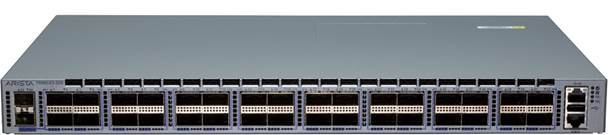
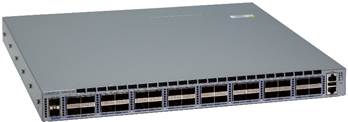
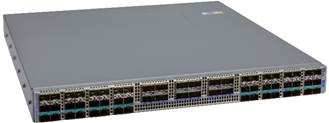
Figure 1. Arista 7050X3 Series Switches: 7050SX3-48YC12 and 7050CX3-32S |

|
|
|
|
Product Highlights |
|
|
|
|
|
Performance
Data Center Optimized Design
Cloud Networking Ready
|
Resilient Control Plane
Advanced provisioning and monitoring
Advanced Mirroring for visibility
|
|
|
|
|
Arista EOS | |
|
| |
|
The Arista 7050X3 series runs the same Arista EOS software as all Arista products, simplifying network administration. Arista EOS is a modular switch operating system with a unique state-sharing architecture that cleanly separates switch state from protocol processing and application logic. Built on top of a standard Linux kernel, all EOS processes run in their own protected memory space and exchange state through an in-memory database. This multiprocess state-sharing architecture provides the foundation for in-service-software updates and self-healing resiliency.
With Arista EOS, advanced monitoring and automation capabilities such as ZTP, VM Tracer and Linux-based tools can be run natively on the switch with the powerful x86 CPU subsystem. | |
|
Arista EOS | |
|
| |
|
The Arita 7050X3 series runs the same Arista EOS software as all Arista products, simplifying network administration. Arista EOS is a modular switch operating system with a unique state-sharing architecture that cleanly separates switch state from protocol processing and application logic. Built on top of a standard Linux kernel, all EOS processes run in their own protected memory space and exchange state through an in-memory database. This multiprocess state-sharing architecture provides the foundation for in-service-software updates and self-healing resiliency. With Arista EOS, advanced monitoring and automation capabilities such as ZTP, VM Tracer and Linux-based tools can be run natively on the switch with the powerful x86 CPU subsystem. | |
|
| |
|
Model Overview | |
|
| |
|
The Arista 7050X3 series come in different configurations. Each delivers high performance combined with feature rich Layer 2 and Layer 3 forwarding, suited for both top-of-rack leaf or fixed configuration spines. The 7050CX3-32S is a 1RU system with 32 100G QSFP ports offering wirespeed throughput of up to 6.4 Tbps. Each QSFP port supports a choice of five speeds with flexible configuration between 100GbE, 40GbE, 4 x 10GbE, 4 x 25GbE, or 2 x 50GbE modes for up to 128 ports of 10GbE, 25GbE, or 50GbE. All ports can operate in any supported mode without limitation, allowing easy migration from lower speeds and the flexibility for leaf or spine deployment.
The Arista 7050SX3-48YC12 is a 1RU system with 48 ports of 25G SFP and 12 ports of 100G QSFP with an overall throughput of 4.8 Tbps. The high-density SFP ports allow choices of 1/10/25G speeds and the QSFP ports allow for a choice of five speeds including 100GbE, 40GbE, 4 x 10GbE, 4 x 25GbE, or 2 x 50GbE with a wide choice of transceivers and cables. The QSFP ports can operate in any mode enabling a wide choice of combinations for both leaf and spine deployment. With low latency and no oversubscription, the switch is optimized for high-performance server and storage deployments. | |
|
| |
|
Dynamic Buffer Allocation | |
|
| |
|
In cut-through mode, the Arista 7050X3 switches forward packets with a consistent low latency of 800 ns. Upon congestion, the packets are buffered in an intelligent fully shared packet memory that has a total size of 32 MB for superior burst absorption. Unlike other architectures that have fixed per-port packet memory, the 7050X3 series use dynamic thresholds to allocate packet memory based on traffic class, queue depth, and quality of service (QoS) policy ensuring a fair allocation to all ports of both lossy and lossless classes. Buffer utilization, occupancy, and thresholds are all visible with Arista LANZ and can be exported to monitoring tools to identify hotspots and measure latency at the device and end to end. | |
|
| |
|
|
|
|
Figure 2. Arista 7050CX3-32S: 32x 100GbE QSFP100 ports, 2 SFP+ ports |
Figure 3. Arista 7050SX3-48YC12: 48x 25GbE SFP and 12x 100 QSFP ports |
|
| |
|
Arista Extensible Operating System |
|
|
|
|
|
|
High availability |
|
|
|
The Arista 7050X3 Series Switches are designed for high availability from both software and hardware perspective. Key high availability features include
|
|
|
|
SSU |
|
|
|
SSU is a network application designed to address one of the most complicated and challenging tasks facing data center administrators—network infrastructure maintenance. Changes to the underlying network infrastructure can affect large numbers of devices and cause significant outages. SSU provides a fully customizable suite of features that tightly couples data center infrastructure to technology partners allowing for intelligent insertion and removal, programmable updates to software releases, and open integration with application and infrastructure elements. |
|
|
|
Software Driven Cloud Networking |
|
|
|
Arista Software Driven Cloud Networking (SDCN) combines the principles that have made cloud computing the unstoppable force that it is: automation, self-service provisioning, and linear scaling of both performance and economics coupled with the trend in software-defined networking (SDN) that delivers: network virtualization, custom programmability, simplified architectures, and lower capital expenditure. This combination creates a best-in-class software foundation for maximizing the value of the network to both the enterprise and service provider data center. A new architecture for the most mission-critical location within the IT infrastructure that simplifies management and provisioning, speeds up service delivery, lowers costs and creates opportunities for competitive differentiation, while putting control and visibility back in the hands of the network and system administrators. |
|
|
|
Maximum flexibility for scale-out network designs |
|
|
|
Scale-out network designs enable solutions to start small and evolve over time. A simple two-way design can grow as far as 128-way without significant changes to the architecture. The Arista 7050X3 includes enhancements for flexible scale-out designs:
|
|
|
|
Unified Forwarding Table |
|
|
|
Cloud network scalability is directly impacted by the size of switches forwarding tables. In many systems, a one-size-fits-all approach is adopted using discrete fixed size tables for each of the common types of forwarding entry. The Arista 7050X3 leverage a common Unified Forwarding Table (UFT) for the L2 MAC, L3 Routing, L3 Host and IP Multicast forwarding entries, which can be partitioned per entry type. The ideal size of each partition varies depending on the network deployment scenario. The flexibility of the UFT coupled with the range of predefined configuration profiles available on the 7050X3 ensures optimal resource allocation for all network topologies and network virtualization technologies. |
|
|
|
Enhanced features for high-performance networks |
|
|
|
The Arista 7050X3 delivers a suite of advanced traffic control and monitoring features to improve the agility of modern high-performance environments, with solutions for data monitoring and next-generation virtualization.
Automating the data center enables customers to dynamically provision computing resources in the most efficient manner while also meeting business needs by maintaining service-level agreements (SLAs). Arista EOS automates complex IT workflows and simplifies network operations while reducing or even eliminating downtime. Arista EOS rich automation capabilities not only reduce the human error element in network operations but also enable IT operators to make the network work the way they want. |
|
|
|
CloudVision |
|
CloudVision is a network-wide approach for workload orchestration and workflow automation as a turnkey solution for cloud networking. CloudVision extends the EOS publish subscribe architectural approach across the network for state, topology, monitoring, and visibility. This enables enterprises to move to cloud-class automation without needing any significant internal development. |
|
|
|
Advanced event management |
|
|
|
Simplifying the overall operations, advanced event management (AEM) provides the tools to customize alerts and actions. AEM is a powerful and flexible set of tools to automate tasks and customize the behavior of EOS and the operation of the overall data center switching infrastructure. AEM allows operators to fully utilize the intelligence within EOS to respond to real-time events, automate routine tasks, and automate actions based on changing network conditions. |
|
|
|
Virtualization |
|
|
|
Supporting next-generation virtualized data centers requires tight integration with orchestration tools and encapsulation technologies such as VXLAN. The 7050X3 builds on the valuable tools already provided by the Arista VM Tracer suite to integrate directly into encapsulated environments. Offering a wirespeed gateway between VXLAN and traditional L2/3 environments, they make integration of non-VXLAN aware devices including servers, firewalls, and load-balancers seamless and provide the ability to leverage VXLAN as a standards-based L2 extension technology for non-MPLS environments. |
|
|
|
Precise data analysis |
|
|
|
Arista LANZ is an integrated feature of EOS. LANZ provides precise real-time monitoring of microburst and congestion events before they impact applications with the ability to identify the sources and capture affected traffic for analysis. Advanced analytics are provided with features like buffer monitoring with configurable thresholds, in-band path and latency monitoring, event-driven trace packets, and granular time stamping. |
|
|
|
Precision timing (IEEE 1588) |
|
|
|
Arista’s hardware-derived Precision Time Protocol (PTP) solution provides a robust mechanism for accurate in-band time distribution in high-performance environments. The system clock can be synchronized using IEEE 1588 PTP. |
|
|
|
Dynamic Load Balancing1 |
|
|
|
Traditional hash-based load balancing algorithms can result in link and path allocations with short-term imbalances and underutilization of aggregate capacity. This is aggravated further in modern data centers with high traffic loads, varied flow duration, mixed packet sizes, and microbursts. Dynamic Load Balancing (DLB) enhancements to load balancing consider the real-time load on links and dynamically assign new and existing flows to the best link. When imbalances are detected, active flows and new flows are allocated to the least loaded paths to reduce the possibility of drops. Supported with any combination of ECMP and LAG/MLAG, DLB delivers higher throughout with enhanced load distribution while offering the user an open implementation. |
|
|
|
Programmable pipeline |
|
|
|
The Arista 7050X3 series supports an enhanced architecture with smarter programmable packet pipeline, which allows the addition of new protocols, encapsulation, and tunneling features to the packet processor through software upgrades without changes or replacement of the underlying hardware. This allows for rapid testing and deployment avoiding costly replacements or major upgrades. Together with flexible resource allocation provided by the UFTs, the programmable pipeline increases the flexibility of the platform allowing for broad use cases and ensures continued investment protection. |
|
|
|
Network Address Translation1 |
|
|
|
The Arista 7050X3 series support static and dynamic address translation at line rate and introduces no additional latency when the mappings are set up. High-performance environments can take advantage of Network Address Translation (NAT) to resolve addressing challenges such as masking internal addresses and translating overlapping ranges resulting in simpler topologies without penalty. |
|
|
|
1 Not currently supported in EOS |
|
|
|
|
|
|
|
Arista 7050X3 Series features | ||||||||||||||||||||||||||||||
|
| ||||||||||||||||||||||||||||||
|
Layer 2 Features
- 64 ports/channel - 64 groups per system
- 64 ports per MLAG
Layer 3 Features
- Source/Destination NAT - Source/Grop Multicast NAT Advanced Monitoring and Provisioning
- Configurable congestion notification (CLI, syslog) - Streaming events (GPB encoded) - Capture/mirror of congested traffic
- Port Mirroring (4 active sessions) - L2/3/4 Filtering on mirror sessions - Port Channel source and destination - Mirror to CPU*
- CLI Scheduler - Event Manager - Event Monitor - Linux tools
- OpenFlow 1.0* - OpenFlow 1.3* - Arista DirectFlow - eAPI - OpenStack® Neutron support
Virtualization support
- VMware vSphere® support - VM Auto Discovery - VM Adaptive Segmentation - VM Host View Security features
QoS features
Network management
Extensibility
- Bash shell access and scripting - RPM support - Custom kernel modules
- Python - C++
Standards compliance
SNMP MIBs**
* Not currently supported in EOS ** See EOS release notes for latest supported MIBs
|
||||||||||||||||||||||||||||||
|
| ||||||||||||||||||||||||||||||
| ||||||||||||||||||||||||||||||
|
| ||||||||||||||||||||||||||||||
| ||||||||||||||||||||||||||||||
|
| ||||||||||||||||||||||||||||||
| ||||||||||||||||||||||||||||||
|
| ||||||||||||||||||||||||||||||
|
* Not currently supported in EOS | ||||||||||||||||||||||||||||||
|
| ||||||||||||||||||||||||||||||
|
|
Configuration
|
Ordering information |
|||||||||||||||||||||||||||||||||||||||
|
|
|||||||||||||||||||||||||||||||||||||||
|
|||||||||||||||||||||||||||||||||||||||
|
|
|||||||||||||||||||||||||||||||||||||||
|
|||||||||||||||||||||||||||||||||||||||
|
|
|||||||||||||||||||||||||||||||||||||||
|
|||||||||||||||||||||||||||||||||||||||
|
|
Technical Specifications
|
| ||||||||||||||||||||||||||||||||||||||||||||||||||||||||||||||||||||||||||||||||||||
|
Arista 7050X3 Series technical specifications | ||||||||||||||||||||||||||||||||||||||||||||||||||||||||||||||||||||||||||||||||||||
|
| ||||||||||||||||||||||||||||||||||||||||||||||||||||||||||||||||||||||||||||||||||||
| ||||||||||||||||||||||||||||||||||||||||||||||||||||||||||||||||||||||||||||||||||||
|
| ||||||||||||||||||||||||||||||||||||||||||||||||||||||||||||||||||||||||||||||||||||
|
* Performance rated over operation with average packets larger than 200 bytes | ||||||||||||||||||||||||||||||||||||||||||||||||||||||||||||||||||||||||||||||||||||
|
** Typical power consumption measured at 25C ambient with 50% load | ||||||||||||||||||||||||||||||||||||||||||||||||||||||||||||||||||||||||||||||||||||
|
|
|
Standards compliance | |||||||||||||||||||||
| |||||||||||||||||||||
|
| |||||||||||||||||||||
|
| |||||||||||||||||||||
|
| |||||||||||||||||||||
|
Environmental characteristics | |||||||||||||||||||||
| |||||||||||||||||||||
|
| |||||||||||||||||||||
|
| |||||||||||||||||||||
|
| |||||||||||||||||||||
|
Power Supply Specifications | |||||||||||||||||||||
| |||||||||||||||||||||
|
| |||||||||||||||||||||
|
|
|
|
| ||||||||||||||||||||||||||||||
|
Supported optics and cables |
| ||||||||||||||||||||||||||||||
|
| ||||||||||||||||||||||||||||||
|
|
| ||||||||||||||||||||||||||||||
|
| ||||||||||||||||||||||||||||||
|
|
| ||||||||||||||||||||||||||||||
|
| ||||||||||||||||||||||||||||||
|
|
| ||||||||||||||||||||||||||||||
|
| ||||||||||||||||||||||||||||||
|
|
| ||||||||||||||||||||||||||||||
|
|
| ||||||||||||||||||||||||||||||
|
Service and Support | |||||||||||||||||||||||||||||||
|
| |||||||||||||||||||||||||||||||
|
HPE Pointnext full portfolio of Consulting Services as well as Support Services is available. The support services include HPE Installation and Startup Services, HPE Next Business Day Exchange, HPE Next Business Day Onsite and 24x7 Onsite parts, engineer, and 4-hour committed response as well as HPE Datacenter Care and HPE GreenLake Flex Capacity (Arista A-Care Services can also be purchased. Learn more at http://www.arista.com). For service depot locations, please see: http://www.arista.com/en/service | |||||||||||||||||||||||||||||||
|
| |||||||||||||||||||||||||||||||
|
| |||||||||||||||||||||||||||||||
|
| |||||||||||||||||||||||||||||||
|
Warranty | |||||||||||||||||||||||||||||||
|
| |||||||||||||||||||||||||||||||
|
Arista 7050X3 switches come with a 1-year limited hardware warranty that covers parts, repair, or replacement with a 10-business-day turnaround after the unit is received. Learn more at http://www.arista.com | |||||||||||||||||||||||||||||||
|
| |||||||||||||||||||||||||||||||
|
| |||||||||||||||||||||||||||||||
|
| |||||||||||||||||||||||||||||||
|
Headquarters | |||||||||||||||||||||||||||||||
|
| |||||||||||||||||||||||||||||||
|
Hewlett Packard Enterprise 3000 Hanover Street Palo Alto, CA 94304 | |||||||||||||||||||||||||||||||
|
| |||||||||||||||||||||||||||||||
|
| |||||||||||||||||||||||||||||||
|
| |||||||||||||||||||||||||||||||
|
Support | |||||||||||||||||||||||||||||||
|
| |||||||||||||||||||||||||||||||
|
For more information: http://www.hpe.com/us/en/services.html +1-800-633-3600 +1-888-269-4073 | |||||||||||||||||||||||||||||||
|
| |||||||||||||||||||||||||||||||
|
| |||||||||||||||||||||||||||||||
|
|
| ||||||||||||||||||||||||||||||
Summary of Changes
|
Date |
Version History |
Action |
Description of Change | ||||||||||||||||||
|
04-Jun-2018 |
Version 1 |
Created |
Document creation. | ||||||||||||||||||
| |||||||||||||||||||||